
The Future of Eco-Friendly Fashion
The fashion industry is undergoing a transformative shift towards sustainability, driven by environmental concerns, technological advancements, and a resurgence of traditional techniques. This evolution encompasses innovative materials, cutting-edge technologies, and novel business models that collectively aim to reduce the industry's ecological footprint. Among the vanguards of this movement is ODITE, a small yet impactful sustainable fashion label that exemplifies the integration of heritage and innovation.
Emerging Trends and Innovations in Sustainable Fashion
Innovative Materials Redefining Fashion
- Biodegradable Fabrics: Materials like organic cotton, hemp, and Tencel are gaining popularity due to their ability to decompose naturally, reducing landfill waste. These fabrics offer comfort and durability while minimizing environmental impact (Greener Future Initiative, London, UK).
- Lab-Grown Leather: United States based companies such as Modern Meadow and MycoWorks are pioneering lab-grown leather, which replicates the texture and durability of traditional leather without the associated environmental and ethical concerns
- Mycelium-Based Textiles: Fungi-derived materials like Mylo™ offer a sustainable alternative to animal leather, being biodegradable and requiring fewer resources to produce.
Technological Advancements Driving Sustainability
- 3D Printing: This technology allows for on-demand production, reducing waste and enabling customization. Brands like Adidas have utilized 3D printing to create products like the Futurecraft 4D shoes, which minimize material usage.
- Artificial Intelligence (AI): AI aids in predicting fashion trends, optimizing inventory, and designing sustainable garments, thereby reducing overproduction and waste (Toxigon, 2024).
- Blockchain for Transparency: Blockchain technology ensures traceability in the supply chain, allowing consumers to verify the ethical sourcing and production of their garments.
Circular Economy and Business Models
- Clothing Rentals and Resale Platforms: Services like Rent the Runway and ThredUp promote the reuse of garments, extending their lifecycle and reducing the demand for new clothing production.
- Take-Back Programs: Brands such as Levi’s encourage customers to return old garments for recycling or refurbishing, fostering a circular economy.
- Digital Fashion: The rise of virtual garments allows consumers to express their style in digital spaces, reducing the need for physical clothing and its associated environmental impact.
The Resurgence of Ancient Techniques in Modern Fashion
Reviving Traditional Craftsmanship
- Dabu Printing: This ancient Indian resist-dyeing technique utilizes natural materials like black clay and indigo to create intricate patterns. Its revival aligns with the slow fashion movement, emphasizing handcrafted and sustainable practices.
- Leheriya: Originating from Rajasthan, this tie-dye technique produces wave-like patterns using natural dyes. Its resurgence reflects a growing appreciation for cultural heritage and sustainable methods.
- Golden Spider Silk: The creation of textiles from spider silk, as exemplified by the Golden Spider Silk Cape, showcases the fusion of ancient techniques with modern innovation, resulting in sustainable and luxurious fabrics.
ODITE: A Beacon of Sustainable Fashion
Embracing Heritage and Innovation
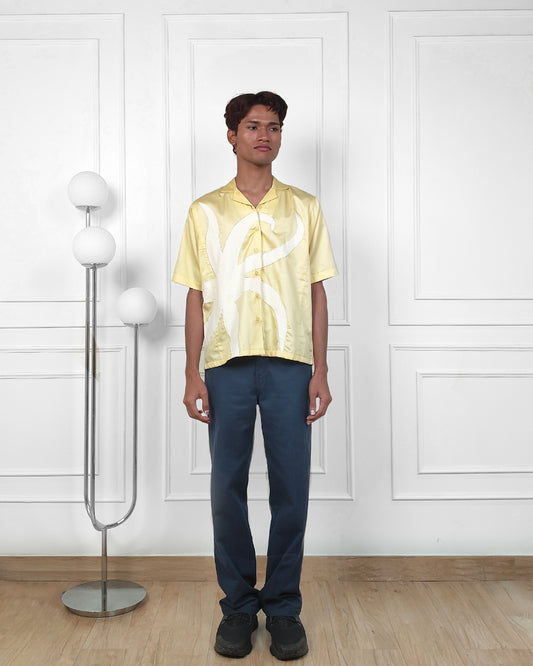
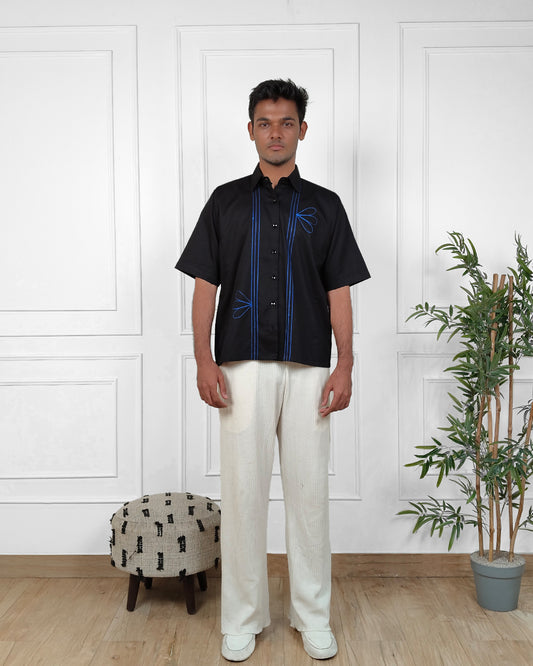
- Integration of Traditional Techniques: ODITE incorporates methods like applique and mirror-work hand embroidery into contemporary designs, preserving cultural heritage while promoting sustainability.
- Use of Eco-Friendly Materials: The label prioritizes ethically sourced sustainable fabrics, aligning with global sustainability goals.
- Community Engagement: By collaborating with local artisans, ODITE supports traditional craftsmanship and empowers communities, fostering economic and cultural sustainability.
Conclusion
The future of eco-friendly fashion lies in the harmonious blend of innovation and tradition. Emerging materials and technologies offer promising avenues for reducing environmental impact, while the revival of ancient techniques ensures cultural preservation and artisanal integrity.
References
- Greener Future Initiative. (2024). The Future of Sustainable Fashion: Innovations and Consumer Responsibility. Retrieved from https://greenerfutureinitiative.org/the-future-of-sustainable-fashion/
- Clear Factory. (2024). 10 Innovations Shaping the Future of Sustainable Textiles. Retrieved from https://www.clear-factory.com/post/10-innovations-shaping-the-future-of-sustainable-textiles
- Toxigon. (2024). Sustainable Fashion Tech Innovations: What's Next in 2024?. Retrieved from https://toxigon.com/sustainable-fashion-tech-innovations
- Whole People. (2024). The Future of Fashion: How Technology is Driving Sustainability. Retrieved from https://wholepeople.com/future-of-sustainable-fashion/
- Net Zero Compare. (2024). The Evolution and Economics of Sustainable Fashion: Innovation, Policy, and Market Trends. Retrieved from https://netzerocompare.com/academy/sustainable-fashion-history-technology-economics-and-policy-insights